- 12th Floor, City Centre -2, Sola, Ahmedabad
- +91 98251 83036
- drjain_ajay@yahoo.co.in
- Mon - Sat: 10 AM - 05 PM
- Sunday: Emergency Only

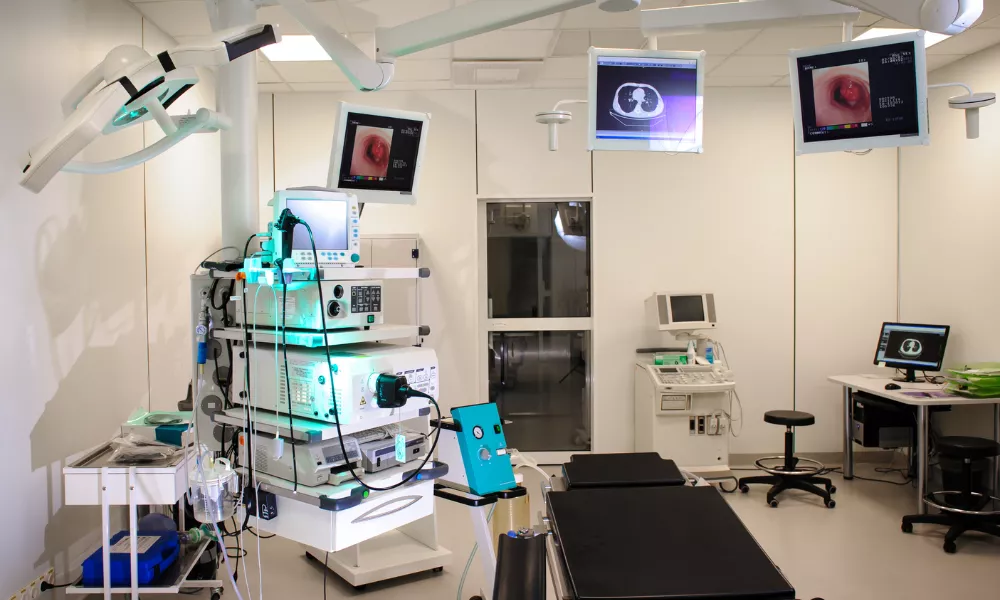
Bronchoscopy is a medical procedure that allows a doctor to examine the air passages in your lungs (bronchi) using a flexible tube with a camera and light at the end called a bronchoscope. The bronchoscope is inserted through your mouth or nose and passed down through your throat and into your lungs.
Bronchoscopy can be used to diagnose and treat various lung conditions, such as:
During a bronchoscopy, may also take tissue samples (biopsy) for further examination and testing. This may be done using a special tool passed through the bronchoscope, such as forceps or a brush.
Bronchoscopy is generally a safe procedure, but like any medical procedure, there are some risks involved, such as bleeding, infection, and allergic reactions to medications used during the procedure. Your doctor will discuss the risks and benefits of bronchoscopy with you before the procedure.
A doctor may order a bronchoscopy for a variety of reasons, including:
Overall, a bronchoscopy is a valuable diagnostic and therapeutic tool that can help doctors diagnose and treat a variety of lung conditions. The decision to order a bronchoscopy will depend on the individual patient’s symptoms, medical history, and other diagnostic test results.
Bronchoscopy is generally a safe and well-tolerated procedure, but as with any medical procedure, there are potential risks and complications associated with it. Some of the potential risks and complications include:
Overall, while complications are rare, it is important to discuss the potential risks and benefits of the procedure with your doctor before the procedure. Your doctor can help determine whether a bronchoscopy is an appropriate diagnostic or therapeutic tool for your specific condition.

Dr. Ajay Jain is well known Pulmonologist and Critical care specialist with working experience of more than 23 years . He is an Expert in Medical Thoracoscopy, Bronchoscopy, EBUS and Sleep disorders. His area of interest is managing patients with critical illnesses, Asthma, COPD, Pulmonary fibrosis, ILD, Pulmonary hypertension, pulmonary embolism, Lung Cancer, Pneumonia, Pleural effusion, sleep disorder and tuberculosis patients
Copyright © 2023. Dr. Ajay Kumar Jain. All rights reserved.