- 12th Floor, City Centre -2, Sola, Ahmedabad
- +91 98251 83036
- drjain_ajay@yahoo.co.in
- Mon - Sat: 10 AM - 05 PM
- Sunday: Emergency Only

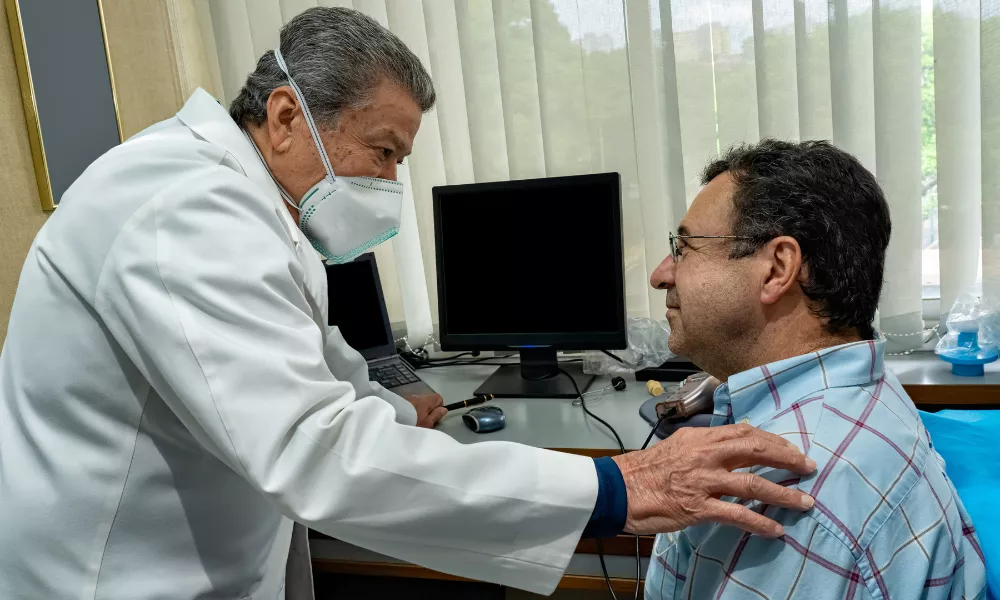
Pulmonary function test (PFT) is a type of diagnostic test that measures how well your lungs are functioning. It’s a non-invasive test that involves breathing into a special machine called a spirometer.
The spirometer measures different aspects of lung function, including lung volume, air flow, and how well oxygen is getting into your bloodstream. The results of the test can help diagnose respiratory conditions such as asthma, chronic obstructive pulmonary disease (COPD), and pulmonary fibrosis. It can also be used to monitor the progression of these conditions and to assess the effectiveness of treatment.
During a PFT, you will be asked to breathe in and out several times through a mouthpiece attached to the spirometer. The machine will record the volume and speed of your breathing, and you may be asked to perform different breathing maneuvers, such as taking a deep breath and holding it or breathing rapidly.
Overall, PFTs are a safe and effective way to evaluate lung function, and they can provide important information to help diagnose and manage respiratory conditions.
Pulmonary Function Tests (PFTs) are a group of tests that measure how well the lungs are functioning. These tests can help diagnose and monitor lung conditions such as asthma, chronic obstructive pulmonary disease (COPD), and pulmonary fibrosis.
Some of the common types of PFTs include:
During PFTs, you will be asked to perform a series of breathing maneuvers, such as taking deep breaths and exhaling forcefully. These tests are usually painless and non-invasive, and can provide valuable information about how well your lungs are functioning.
The results of PFTs can help your healthcare provider diagnose and monitor lung conditions, and develop an appropriate treatment plan to manage your symptoms and improve your overall lung health.
Pulmonary function tests (PFTs) are generally safe and non-invasive. However, like any medical procedure, there are some potential risks associated with PFTs. Some of the potential risks include:
It’s important to discuss any concerns you have about PFTs with your healthcare provider. Your provider can explain the risks and benefits of the test, and help you decide whether it’s an appropriate diagnostic tool for your specific condition.

Dr. Ajay Jain is well known Pulmonologist and Critical care specialist with working experience of more than 23 years . He is an Expert in Medical Thoracoscopy, Bronchoscopy, EBUS and Sleep disorders. His area of interest is managing patients with critical illnesses, Asthma, COPD, Pulmonary fibrosis, ILD, Pulmonary hypertension, pulmonary embolism, Lung Cancer, Pneumonia, Pleural effusion, sleep disorder and tuberculosis patients
Copyright © 2023. Dr. Ajay Kumar Jain. All rights reserved.